
Reviewed By Dr. Jodi Kuhn
Reading time: 4 minutes
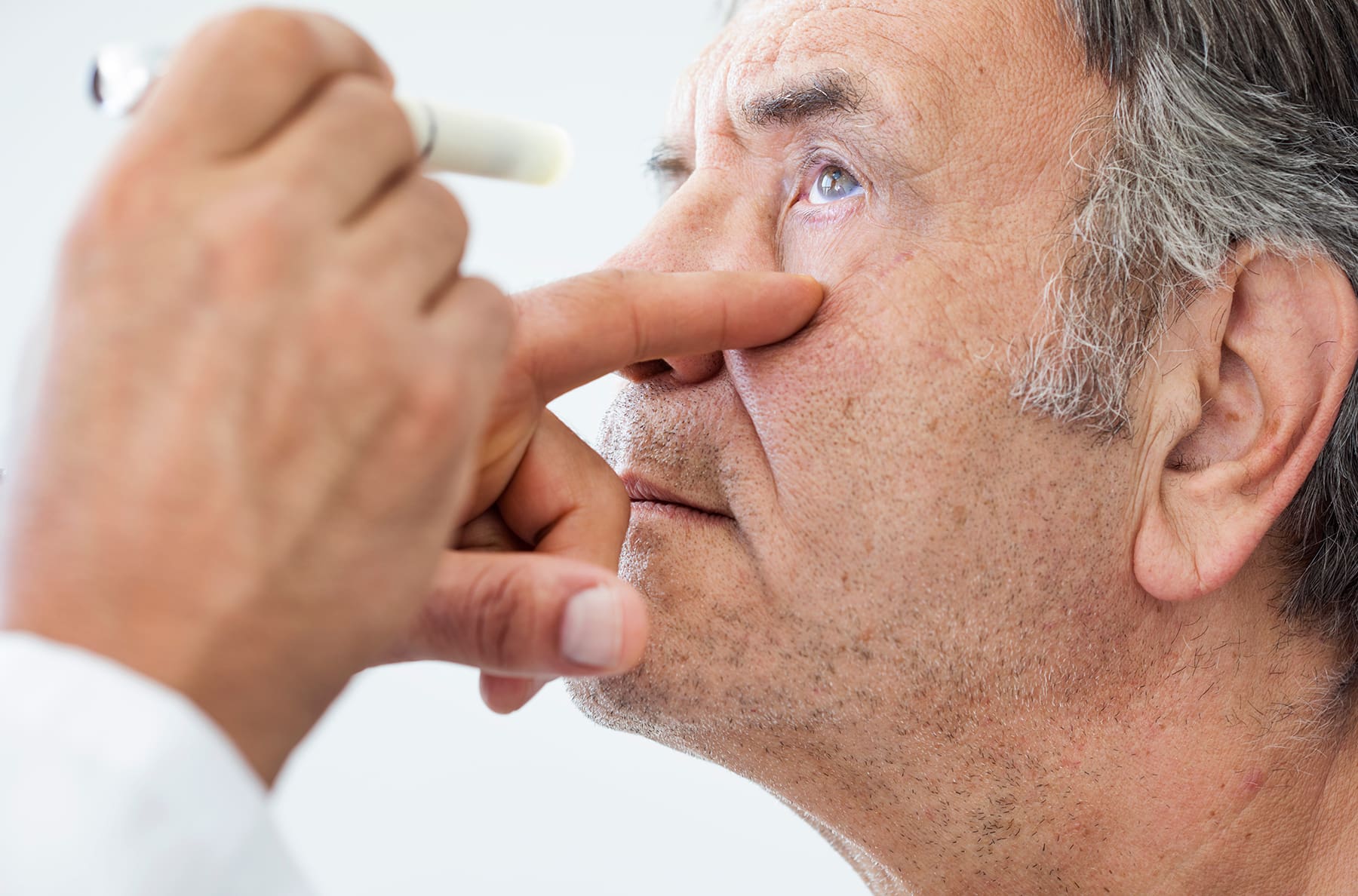
Cataracts are one of the most common causes of vision changes as people age. They develop when the normally clear lens inside the eye becomes cloudy, causing blurred vision, glare, difficulty seeing at night, and changes in color perception.
We provide eye care for children and adults at our locations in Denver, Aurora and Thornton. We accept Medicaid!
Dental and Vision Care in One Convenient Location
At our Denver and Aurora locations, Youth Dentistry & Orthodontics and Youth Vision are conveniently located in the same building. This means your child can receive both dental and vision care at one familiar location, without extra travel or scheduling stress.
Table of Contents
What Causes Cataracts to Develop?
Cataracts develop when proteins within the eye’s natural lens begin to break down and clump together. These changes make the lens less transparent, causing cloudy or blurred vision.
While aging is the most common cause, several factors can contribute to cataract development, including:
- Diabetes
- Long-term steroid medication use
- Smoking
- Excessive ultraviolet (UV) light exposure
- Previous eye injuries
- Prior eye surgery
- Genetic factors present at birth
Most cataracts develop gradually over many years, so vision changes often occur slowly and may go unnoticed at first.
Cataract Symptoms to Watch For
Cataracts typically develop slowly, and symptoms may not be noticeable at first.
Common symptoms include:
- Blurry or cloudy vision
- Increased sensitivity to light
- Glare from headlights
- Difficulty driving at night
- Frequent prescription changes
- Faded or yellowed colors
- Double vision in one eye
These symptoms can also occur with other eye conditions, which is why a comprehensive eye examination is necessary for an accurate diagnosis.
How Are Cataracts Treated?
In the early stages, updated glasses or improved lighting may help manage symptoms. However, cataracts do not go away on their own and cannot be treated with medication.
When vision changes begin interfering with daily activities, cataract surgery may be recommended. During the procedure, the cloudy natural lens is removed and replaced with an artificial intraocular lens (IOL) to help restore clearer vision. Cataract surgery is typically performed on an outpatient basis by an ophthalmologist.
The 5 Main Types of Cataracts
There are several different forms of cataracts, and each affects a different part of the lens.
Nuclear Cataracts
Nuclear cataracts develop in the center of the lens. They are the most common age-related cataract and often cause gradual distance vision changes.
Cortical Cataracts
Cortical cataracts form along the outer edges of the lens and slowly extend inward. They commonly cause glare, halos, and difficulty seeing in bright light.
Posterior Subcapsular Cataracts
These cataracts develop near the back of the lens. Symptoms may progress more quickly and often include glare sensitivity and difficulty reading.
Congenital Cataracts
Congenital cataracts are present at birth or develop during childhood. Some may be related to genetic conditions, infections during pregnancy, or developmental abnormalities.
Traumatic Cataracts
Traumatic cataracts occur after an eye injury. They may develop immediately following trauma or appear years later.
While the different types of cataracts can affect vision in different ways, a comprehensive eye exam is needed to diagnose cataracts and determine their severity.
Monitoring Cataracts at Youth Vision
At Youth Vision, our optometrists diagnose cataracts and evaluate lens clarity, visual acuity, and overall eye health during eye examinations. We monitor cataract progression and help determine when additional treatment or referral to a cataract surgeon may be appropriate.
Our goal is to help patients understand their options and maintain the best vision possible.
Comprehensive Eye Exams in Denver, CO
To schedule an eye exam, contact the location most convenient for you:
Phone: (303) 825-2295
Phone: (303) 343-3133
Phone: (303) 450-0184
FAQ
At what age do cataracts usually develop?
Most age-related cataracts begin developing after age 60, although changes within the lens can start much earlier.
When should cataracts be removed?
Cataract surgery is typically considered when vision changes begin interfering with daily activities such as reading, driving, or work.
Do cataracts come back after surgery?
Once a cataract is removed, it cannot come back. However, some people develop clouding of the thin membrane that holds the artificial lens in place, which can cause symptoms similar to a cataract. This condition is not a new cataract and can often be treated with a quick laser procedure.
Are cataracts hereditary?
Genetics can play a role in cataract development, particularly certain congenital cataracts and some age-related forms. Family history may increase your risk, but factors such as age, medical conditions, medications, and UV exposure also contribute.
