
Reviewed By Dr. Jodi Kuhn
Reading time: 3 minutes
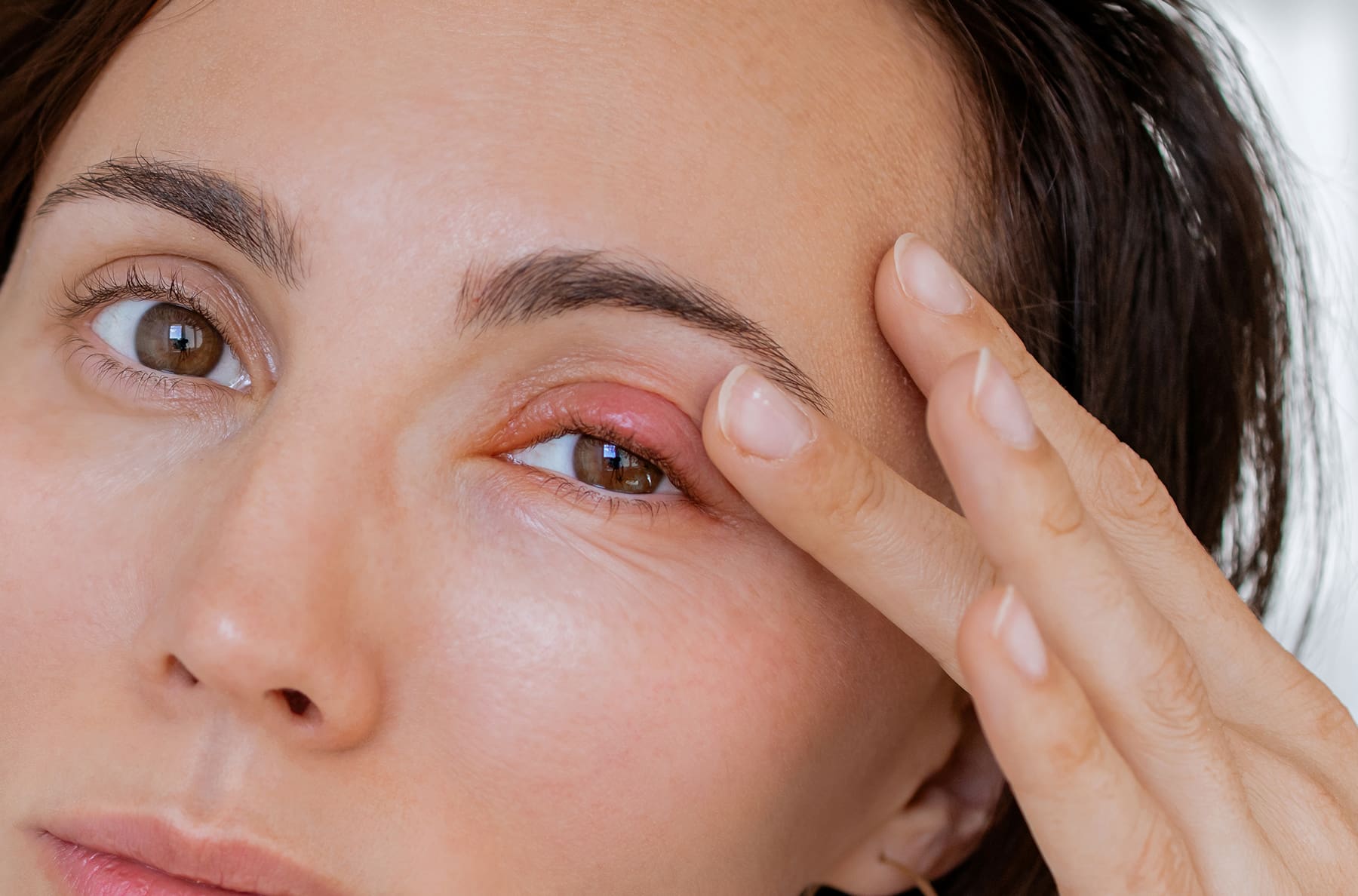
Getting rid of a stye involves steps that reduce pain, swelling, and pressure along the eyelid. Acting early helps prevent irritation from worsening and supports natural drainage. Simple home care is often enough to help a stye improve.
We provide eye care for children and adults at our locations in Denver, Aurora, Hampden and Thornton. We accept Medicaid!
| Dental and Vision Care in One Convenient Location At our Denver and Aurora locations, Youth Dentistry & Orthodontics and Youth Vision are conveniently located in the same building. This means your child can receive both dental and vision care at one familiar location, without extra travel or scheduling stress. |
Table of Contents
Simple Home Care Steps for Stye Relief
Most styes improve with consistent home care that reduces swelling and supports natural drainage.
Apply a Warm Compress
Heat helps loosen blocked oils and encourages natural drainage. This reduces pressure and helps the eyelid calm down.
For best results:
- Use a clean cloth soaked in warm (not hot) water
- Hold it against your closed eyelid for 5 to 10 minutes
- Rewarm the cloth as needed
- Repeat 2 to 4 times per day
Warming eye compresses, which can be purchased at pharmacies such as Walgreens or CVS, may also be used as long as they are heated according to instructions and feel warm, not hot, on the eyelid.
Keep the Eyelid Clean
After a warm compress, gently clean away any crusting along the lash line. Use clean hands and avoid scrubbing. The goal is to reduce buildup without irritating the skin.
Take a Break From Makeup and Contacts
Eye makeup and contact lenses can slow healing and worsen irritation. Pausing both until the stye improves helps the eyelid recover faster.
What Not To Do
Avoid the following:
- Do not squeeze or try to pop the stye
- Do not rub or touch the eye frequently
- Do not use harsh scrubs, chemicals, or unapproved topical products near the eye
The best thing you can do for a stye is reduce irritation while supporting natural drainage.
When To Get It Checked by an Optometrist
Most styes improve with home care, but some situations need professional evaluation.
Schedule an eye exam if:
- Swelling spreads beyond the eyelid
- Pain worsens instead of improving
- Vision becomes blurry or sensitive to light
- The stye does not improve after several days
- You keep getting styes
Persistent or severe cases may require prescription treatment or in-office care.
Simple Care Makes a Real Difference
If symptoms worsen, vision changes, or styes keep coming back, an eye exam can identify the cause and prevent repeat issues.
If you are dealing with a painful eyelid bump or frequent styes, Youth Vision can help. Schedule an eye exam today at the location most convenient for you:
Denver Youth Vision
Phone: (303) 825-2295
Aurora Youth Vision
Phone: (303) 343-3133
Thornton Youth Vision
Phone: (303) 953-880
Hampden Youth Vision
Phone: (720) 866-9906
FAQ
What can trigger styes?
Styes are usually triggered by blocked oil glands along the eyelid that become infected with bacteria. Common contributors include frequent eye touching, poor eyelid hygiene, old or contaminated eye makeup, contact lens use, and conditions that affect oil gland function.
How do you get rid of a stye overnight?
It is unlikely for a stye to fully go away overnight. Most styes take about a week to resolve, but symptoms often improve sooner. Using a warm compress before bed is the most effective way to ease discomfort, reduce swelling, and support drainage, which may help the eye feel better by the next day.
When are antibiotics needed for a stye?
Most styes do not require medication. An eye doctor may prescribe an antibiotic ointment or topical antibiotics if the infection does not improve, produces significant discharge, or shows signs of spreading beyond the eyelid.
