
Reviewed By Dr. Jodi Kuhn
Reading time: 4 minutes
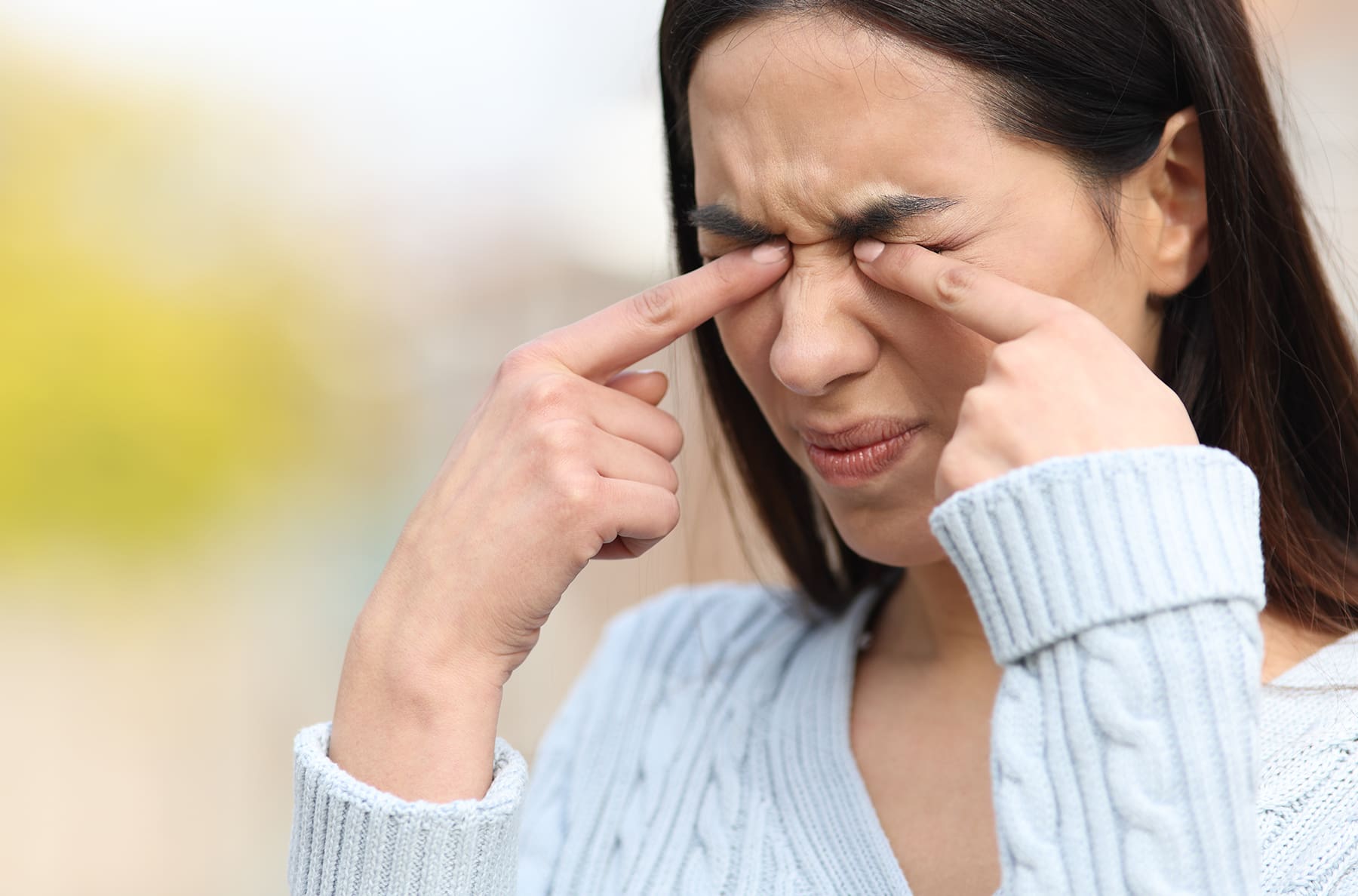
Wearing contact lenses should make life easier, not more uncomfortable. Yet for many people, itching starts within minutes of putting lenses in or builds gradually throughout the day. When discomfort becomes routine, it usually means something in your eye environment or lens routine needs attention.
We provide eye care for children and adults at our locations in Denver, Aurora, Hampden and Thornton. We accept Medicaid!
| Dental and Vision Care in One Convenient Location At our Denver and Aurora locations, Youth Dentistry & Orthodontics and Youth Vision are conveniently located in the same building. This means your child can receive both dental and vision care at one familiar location, without extra travel or scheduling stress. |
Table of Contents
Why Contacts Make Your Eyes Itchy in the First Place
Eye itching rarely shows up without a reason. In most cases, your eyes are reacting to irritation that builds slowly rather than suddenly.
Dry Eye Becomes More Noticeable With Contacts
Dry eyes often fly under the radar until contact lenses enter the picture. Contacts rely on a healthy tear film to stay comfortable, and when tears evaporate too quickly, irritation follows.
Common signs include:
- Burning or stinging
- Fluctuating or blurry vision
- A gritty or foreign-body sensation
Even mild dryness can feel intense once contacts disrupt the eye’s natural moisture balance.
Buildup on Lenses Over Time
Protein, oils, and debris naturally collect on contact lenses. Even with good cleaning habits, deposits can accumulate and irritate the eye.
This tends to happen more often when:
- Lenses are worn longer than recommended
- Replacement schedules slip
- Monthly lenses stretch beyond their ideal lifespan
As buildup increases, lenses become less breathable and more irritating.
Sensitivity to Contact Lens Solutions
Some eyes react to preservatives found in contact lens solutions. This sensitivity can develop even if you have used the same solution for years without problems.
Many people notice improvement after:
- Switching to preservative-free solutions
- Using hydrogen peroxide–based systems
- Adjusting care routines with guidance from an eye doctor
Solution sensitivity often feels like immediate itching when lenses go in.
Allergies That Linger on Contact Lenses
Seasonal and environmental eye allergies often cause itchy eyes, but contacts can amplify the problem. Lenses sit directly on the eye’s surface and can trap pollen, dust mites, and pet dander throughout the day.
You may notice symptoms flare up:
- During allergy season
- After being outdoors
- When wearing contacts for long stretches
When allergens remain trapped under the lens, the itch tends to last longer than it would without contacts.
Eyelid Inflammation and Surface Irritation
Healthy eyelids play a major role in comfortable contact wear. Eye infections such as blepharitis or contact lens–induced conjunctivitis disrupt the tear film and increase irritation.
You might notice:
- Red or flaky eyelids
- Crusting along the lash line
- Stringy mucus or excessive watering
When eyelids are inflamed, contacts tend to aggravate symptoms instead of helping vision.
How to Relieve Itchy Eyes With Contacts
Once you identify likely triggers, small changes often bring noticeable relief. Many people improve comfort without giving up contacts altogether.
1. Tighten Up Your Contact Lens Routine
Consistent habits matter more than most people realize.
Helpful adjustments include:
- Following replacement schedules exactly
- Cleaning lenses thoroughly every night
- Avoiding overnight wear unless prescribed
These steps reduce buildup and help lenses stay breathable throughout the day.
2. Use Lubricating Drops Made for Contacts
Contact-safe artificial tears help flush out allergens and rehydrate the eye surface. Used regularly, they often reduce itching linked to dryness and irritation.
Stick with drops labeled safe for use with contacts and avoid redness-relief formulas that can worsen dryness over time.
3. Give Your Eyes a Break When Needed
If itching persists, continuing to wear contacts can prolong inflammation. Switching to glasses for a few days allows the eye surface to recover.
This break becomes especially helpful during:
- Allergy flare-ups
- Illness or sinus congestion
- Extended screen use
Rest often speeds up healing more than pushing through discomfort.
4. Manage Allergies Before Symptoms Escalate
When allergies drive the itch, proactive treatment works better than reactive care. Daily allergy eye drops or oral medications can reduce inflammation before it builds.
An eye care provider can recommend options that work safely alongside contact lenses.
5. Support Eyelid Health
Clean, healthy eyelids support stable tears and more comfortable lens wear. Warm compresses and gentle lid cleaning help remove debris and reduce inflammation.
Improving eyelid hygiene often improves contact comfort faster than expected.
When Itching Is a Sign to Stop Wearing Contacts
Some symptoms mean it is time to pause contact use and schedule an eye exam rather than self-treat.
Stop wearing contacts and seek care if you notice:
- Persistent redness or pain
- Light sensitivity
- Blurred vision that does not clear
- Thick discharge or increasing mucus
These signs may point to infection, inflammation, or a fit issue that needs professional care.
Supporting Comfortable Contact Lens Wear
Comfortable contact use begins with healthy eyes and proper care. Comprehensive eye exams, contact lens evaluations, and treatment for dryness or eyelid inflammation help address the root causes of irritation and support clearer, more comfortable vision over time.
Schedule an eye exam today at the location most convenient for you:
Denver Youth Vision
Phone: (303) 825-2295
Aurora Youth Vision
Phone: (303) 343-3133
Thornton Youth Vision
Phone: (303) 953-880
Hampden Youth Vision
Phone: (720) 866-9906
FAQ
Why do my eyes itch right after putting contacts in?
Immediate itching often points to solution sensitivity, lens deposits, or eye irritation already present on the surface of the eye. If symptoms start as soon as lenses go in, your eyes may be reacting to something in your care routine rather than the lenses themselves.
Do daily contact lenses help with itching?
Daily disposable lenses reduce buildup and allergen exposure, which often improves comfort for people with Eye Allergies or sensitive eyes that react to reusable lenses.
Should I stop wearing contacts if my eyes itch?
If itching lasts more than a short time or worsens, remove your lenses and switch to glasses until symptoms improve or you see an eye doctor. Continuing to wear contacts can increase inflammation and prolong discomfort.
How do I know if my contacts are no longer the right fit?
Frequent itching, redness, or blurry vision may signal that your lenses no longer match your eye health needs. An updated exam helps determine whether a different lens type or fit will improve comfort.
